恐れ/悲嘆/抑うつ/絶望/無力感/不安/罪悪感/無価値感/苛立ち/短気/不満

意識の深層

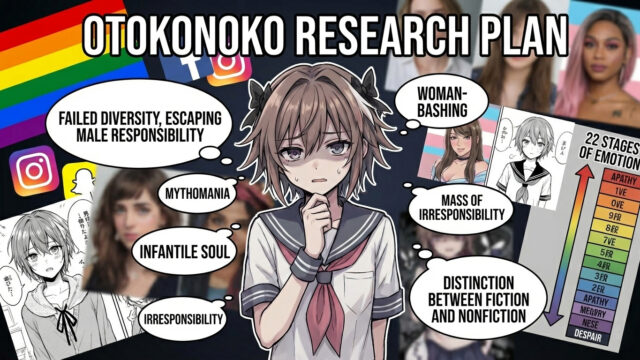
The Collision of Fiction and Reality in “Otokonoko” Culture:A Psychodynamic Analysis Based on Psychological Responsibility Avoidance, Adult Children Characteristics, and Abraham’s “22 Emotional Stages”

The Multilayered Background of the “Otokonoko” Phenomenon in Postmodern SocietyIn contemporary Japan, the term “otokonoko” (literally “male daughter”) has transcended mere cross-dressing and gender disruption to establish itself as a robust subcultural identity. This phenomenon — biological males pursuing feminine appearances — originates from the symbolic codification of “cute boys” in two-dimensional media such as animation and manga since the 2000s.However, as this culture expanded from digital space and social media into the three-dimensional reality, participants have faced severe cognitive dissonance between “idealized fiction” and “inescapable physical and social reality.”
意識の深層

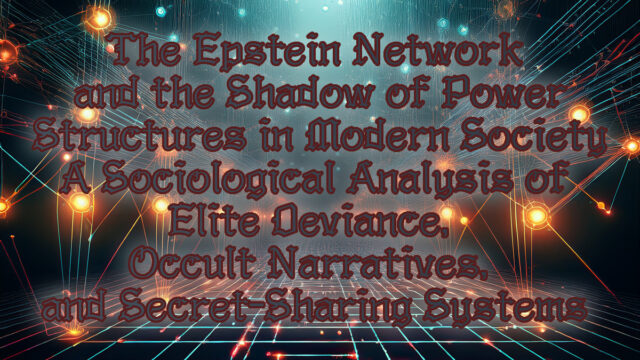
The Epstein Network and the Shadow of Power Structures in Modern Society A Sociological Analysis of Elite Deviance, Occult Narratives, and Secret-Sharing Systems

Introduction: Questioning the Nature of Power StructuresThe series of events surrounding Jeffrey Epstein extends far beyond the mere record of a single wealthy individual’s sex crimes, emerging as an intersection point between the ethical collapse brought about by extreme wealth concentration in modern society and the supernatural conspiracy theories disseminated alongside it. The question of why someone who attained world-class wealth ultimately arrived at the extremely degenerate act of child prostitution challenges the very essence of modern power structures.
意識の深層

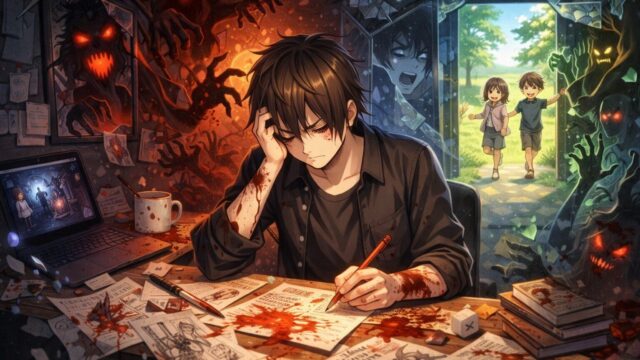
Sublimation of Negative Emotions in Creative Activities and Reality Reflection Mechanisms Based on the “Law of Mirrors”A Comprehensive Study on the Psychological Structure of Free Horror Game Creators

Introduction: Internal Inconsistency in Creators and Dissociation of Social RepresentationIn expressive activities, particularly in the medium of free horror games where expressions that shake the creator’s deep psychology, primal fears, and ethical boundaries are permitted, a dissociation that cannot be overlooked is often observed between the world presented in the work and the behavior that person displays in actual society. The existence of creators who produce works with inhumane or extremely cruel grotesque depictions while simultaneously expressing irritation at workplace interpersonal friction and candidly venting daily dissatisfactions on social networking services (SNS) is not a peculiar phenomenon in today’s digital creative environment.
意識の深層

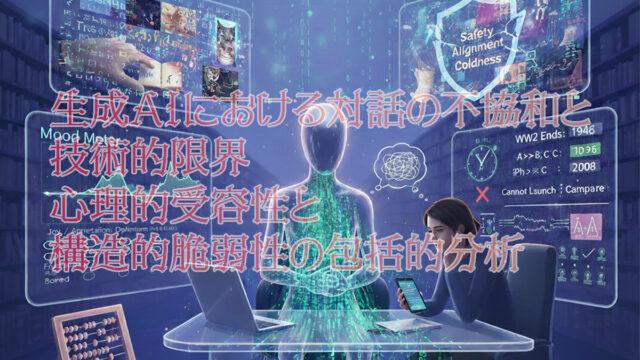
生成AIにおける対話の不協和と技術的限界:心理的受容性と構造的脆弱性の包括的分析

In contemporary information society, Large Language Models (LLMs) such as ChatGPT and Gemini have established themselves beyond mere search engine alternatives, positioning themselves as partners in human thought and confidants. However, as these technologies become increasingly sophisticated, a serious cognitive mismatch emerges between users’ expectations of “human-like dialogue” and the “statistical responses” generated by computational algorithms.Purpose of This Report: To comprehensively analyze the mechanisms of “prophetic insights” provided by AI, the merits and demerits of emotional idempotency in dialogue, and the structural vulnerabilities observed in specific models like Gemini, based on the latest findings in computational linguistics and Human-Computer Interaction (HCI).
意識の深層

爬虫類脳と人格障害の深層:神経生物学的基盤、心理的逆行性、および優生学的倫理の統合的考察

序論:比喩としての「爬虫類脳」とポール・マクリーン博士の理論現代の心理学的言説、特に自己愛性パーソナリティ障害(NPD)や反社会性パーソナリティ障害(ASPD)を論じる文脈において、「爬虫類脳」という言葉は、共感性の欠如、支配的な行動様式、そして生存本能に直結した衝動性を象徴する強力な比喩として定着している。この概念の起源は、アメリカの神経科学者ポール・マクリーン博士(Paul D. MacLean, 1913-2007)が提唱した「三位一体脳モデル」にまで遡る。
意識の深層

漫画的悪役における終焉の心理学:自己愛的防衛の崩壊と死の恐怖の神経生物学的考察

漫画作品、特に長大な物語の結末に於いて、圧倒的な力を誇った「ラスボス」が、死の間際に極めて情けない姿を晒し、異常な迄の恐怖に支配される現象は、単なるプロット上のカタルシス醸成装置に留まらない深い心理学的、及び神経生物学的な根拠を有しています。多くの人間を無慈悲に殺害し、他者の生命を軽視してきた者が、いざ自身の死に直面した際に、何故これ程迄に無様な崩壊を見せるのかという問いは、人間の「自己」の構造と、死の恐怖を制御する為の「不安緩衝系」の機能不全を浮き彫りにするものです。本報告書では、自己愛性パーソナリティ障害の視点、恐怖管理理論(Terror Management Theory)、死の間際に於ける脳内化学物質の挙動、そしてエイブラハムの「感情の22段階」を用い、この現象を包括的に分析します。